Remotely Running a Taxi Business in Kinshasa (DRC)
Four years ago I invested $11,500 in a Toyota Hiace taxi in Kinshasa. Here is what I learned about running a business remotely in Africa — the hard way.
21 June 2026
You have heard how difficult it is to run a business remotely in Africa. You have factors such as corruption, lack of good communication, and difficulty navigating the landscape. Is the previous statement true? In this blog post, I will recount my adventure of 4 years of running a taxi business and share what I have learned about the question.
In March 2020, I decided to travel to Kinshasa, the capital of DRC, and invest 11,500 USD in buying a Toyota Hiace commuter, see image below. The majority of the diaspora often invest in land or agricultural fields. These are usually considered safe investments in Africa for various reasons. Some of those reasons are:
Land is often cheaper in Africa because of a high supply but low demand.
Most people tend to live clustered in cities, so vast land areas are unused. Take Kinshasa as an example; the capital is enormous, with over 15 million people, but only 15% of the land is used. You are guaranteed to have a return on your investment if you invest in property, for example, because the demand for houses is high, but the supply of homes is low.
An argument for buying agricultural land is that most African countries suffer from famine and import food. Cultivating crops makes you more likely to earn money by selling them if your crops grow well.
The bottom line is you end up growing your investment regardless of risk.
On the other hand, looking at the capital needed first to have the land and be successful, I found it demanding. There are many factors to consider:
The law: This factor concerns the law, such as the fact that you cannot buy a property if you don’t have that country's nationality.
Securing your land with the proper document: The most recurring testimony I have heard concerning this factor is that the people selling you the land are also selling it to multiple parties.
If you deal with influential people in court, you will lose. They are most likely going to corrupt the judge.
You might wait 10 to 15 years for a return on your investment.
If you set up a plan, such as buying land sequentially, you must ensure you buy it from the right people. It would be best to ensure that no multiple people own that land. You make the document and ensure that it is not fake. If you succeed in securing your land, the return on investment must wait for a while; in agriculture, for example, you must wait months and pray to God that your crops don’t fail.
You are only guaranteed the land if the above criteria are fulfilled, even more of those not listed.
Aside from the factors listed above, positive factors that influenced me to invest in the taxi business were:
Kinshasa is a mega city with roughly 17millions of people
Transportation is guaranteed to work as people travel from and to different zones because of the various activities. The majority of people survive by selling.
As long as your taxi functions, you get cash. You deal with short-term risks that are easier to mitigate than long-term risks.
Did I make the right choice?
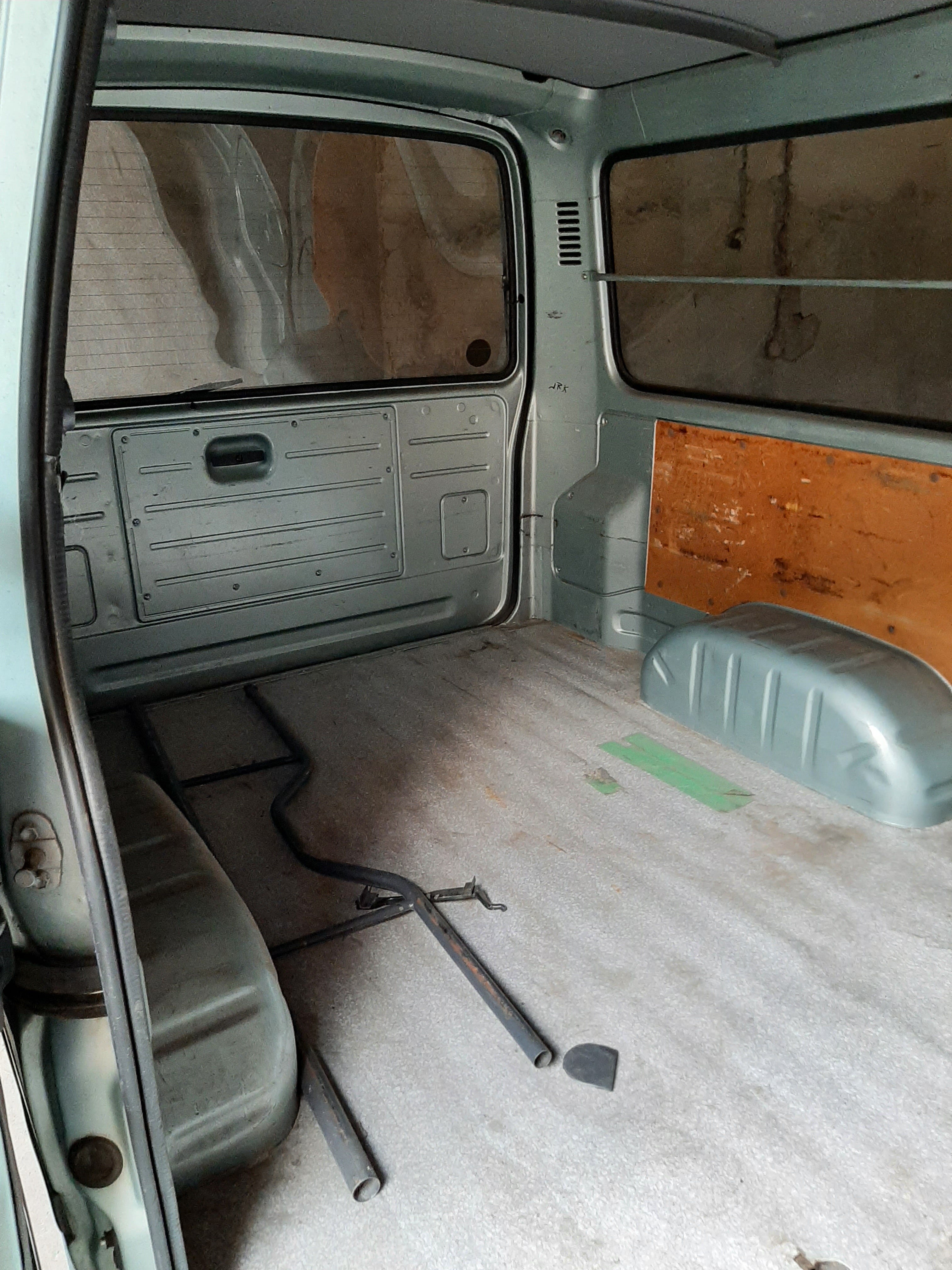
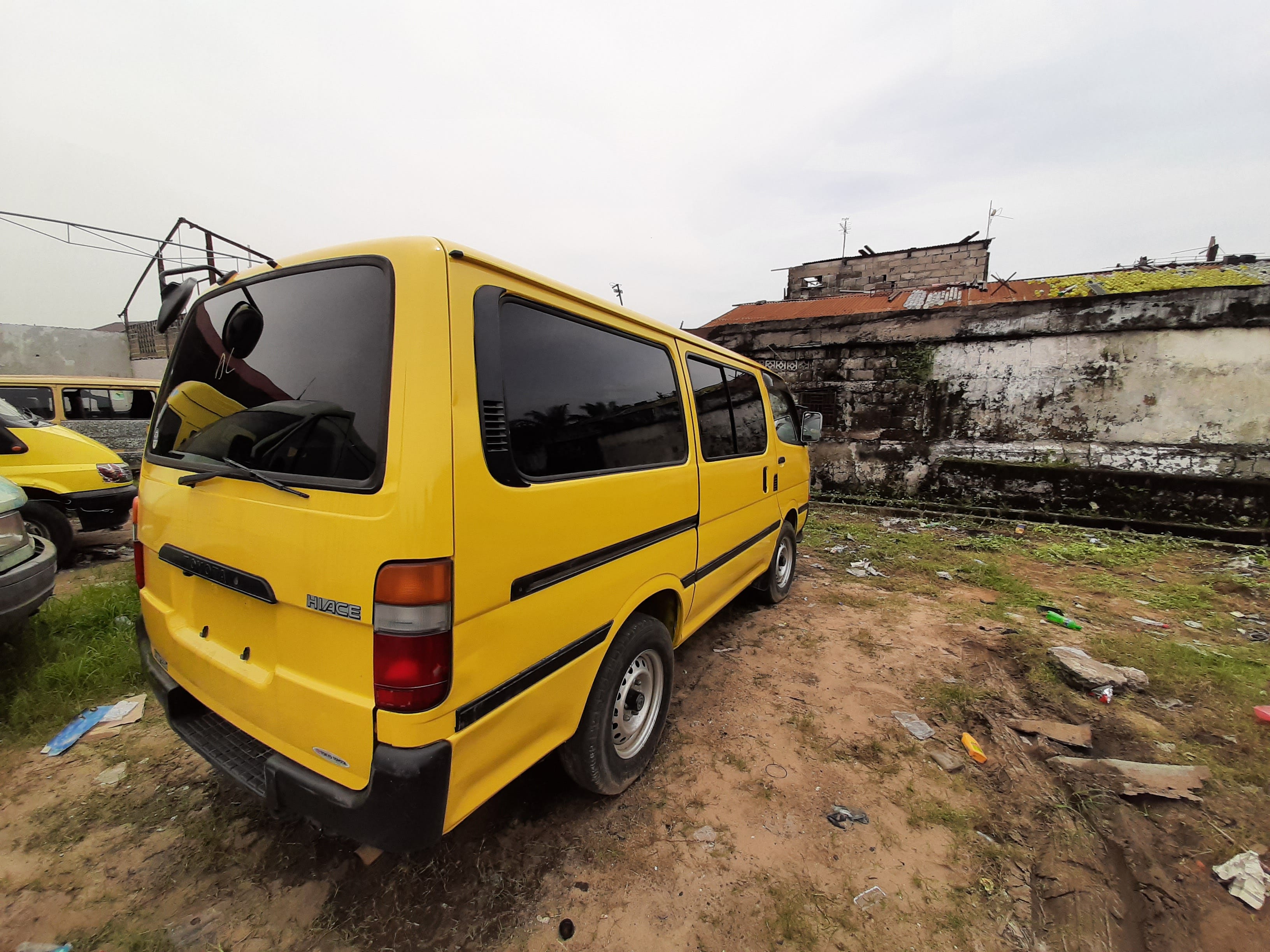
I saw four kinds of transportation for the taxi business in Kinshasa: you have a motorbike(in this investment class, there are things such as three-wheel motorbikes or two-wheeled ones); you have minibusses such as splinter, Hiace. I chose a Toyota Hiace based on the recommendation of my uncle, who is a driver. I bought it for 11500 USD. Below are images of the vehicle:
Press enter or click to view image in full size
Press enter or click to view image in full size
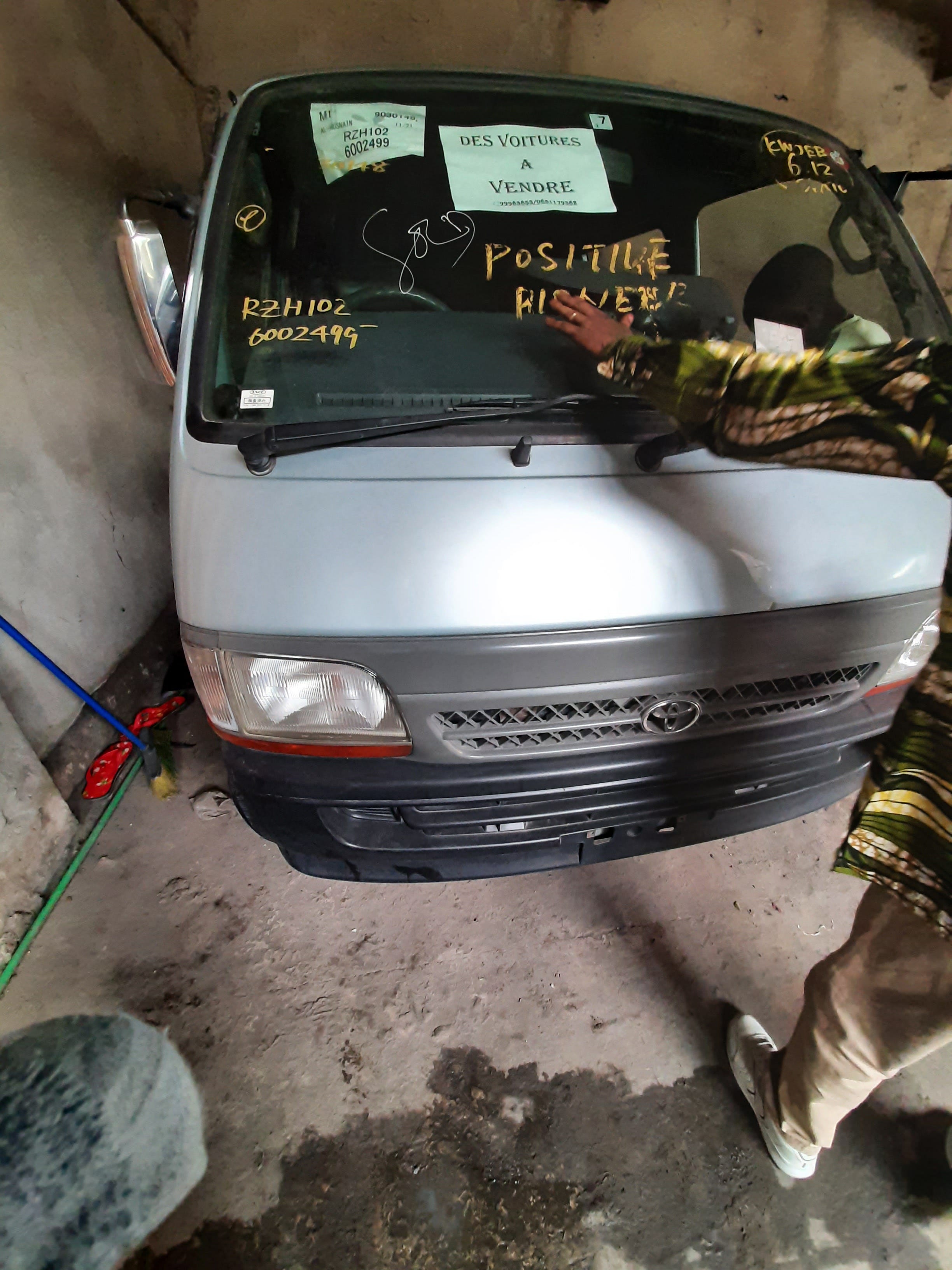
Toyota Hiace when I bought it
Press enter or click to view image in full size
Press enter or click to view image in full size
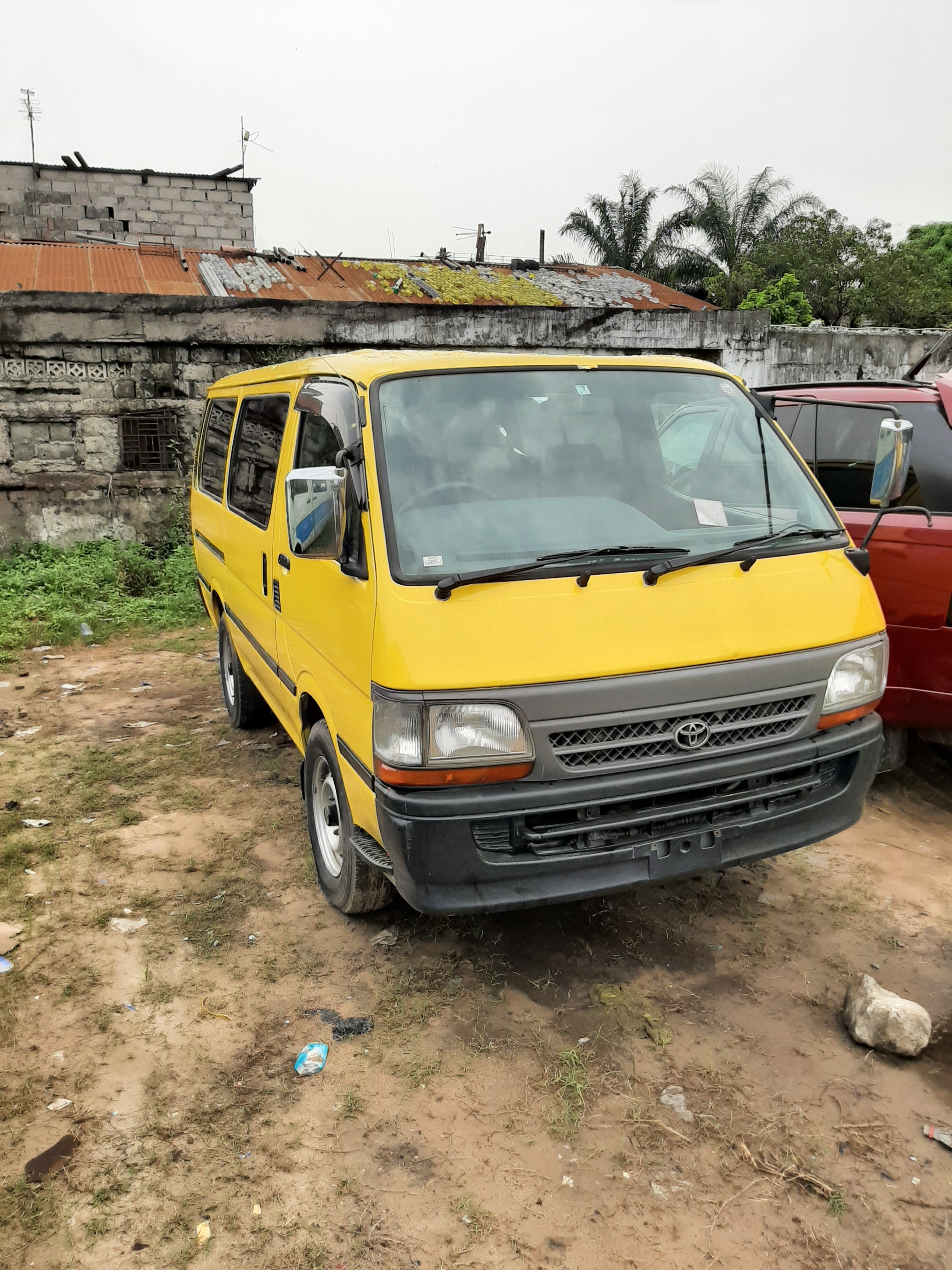
Toyota Hiace after I painted it yellow for Taxi in Kinshasa
Before launching, I estimated how much I would make yearly based on a daily income, and then I recorded each month's income and how much I saved. See below for the image.
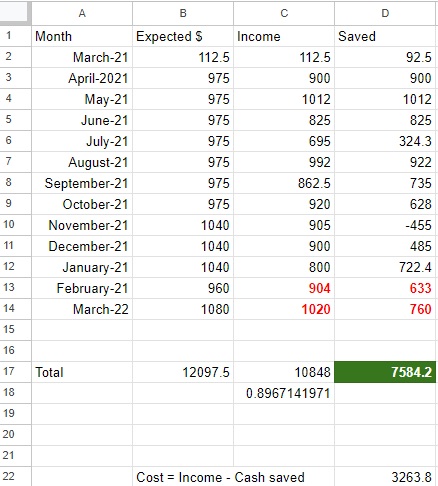
Taxi monthly statement after launch
At the start, I hired my uncle, a professional driver who had been driving in Kinshasa for 20 years. After one year, the taxi generated an income of 10800 USD instead of 12098 USD. 3263.8 USD went to cost. So I got 7584 USD back. This number gave me hope, and in the second year, the bus generated an income of 6500 USD. 4000 USD went to cost. I saved 2500 USD in my account. The total thus far in my pocket was 10084 USD. The taxi needed only to generate 1500 USD to reach the capital invested.
There are various explanations for the results of the second year of performance.
I blamed myself because I was managing my uncle while I was in the diaspora. The distance made it difficult to get the correct information. It turns out my uncle was not even driving the car. He was lending it to one of his students, who drove it. Drivers who lacked driving experience destroyed the vehicle. The car failed every 3 to 4 days, and parts were broken, which needed repair and might take 1 to 2 days to fix.
What did I do about this?
So, I made an application to track everything about the taxi and the driver (a blog post for the future). I employed a cousin to manage my uncle up close. The manager's task was to follow the day-to-day activities, such as car repair, and ensure that the driver drove the vehicle for the day.
After six months, I saw no changes in income. I fired my uncle and the manager and decided to try something new: employ a road administrator. The purpose of the road administrator was to see whether the driver drove the vehicle and keep me posted every day on the car's performance. I hired a new manager who is very knowledgeable about cars. I also employed some strict policies.
Some policies
If a mechanic fixed a vehicle’s part and it broke after some days, I switched to another mechanic. This way, I could rate a mechanic based on the taxi's performance and how quickly the part broke. It was a recurring problem when my uncle was the main driver. Whenever the vehicle had some issues, my uncle hired his friend, who was a mechanic, to fix it.
The car can only drive in the area I choose and nowhere else. If the road administrator does not see the vehicle in the designated area, I fire the driver.
If the driver commits three minor accidents that are all similar, I fire the driver. If the driver commits a severe accident, I fire the driver.
I set up these policies to rate driver performance. Because of this, I fired three different drivers.
What was the outcome?
By following these policies, the taxi drove six days a week and took an average of 20 days before I had to fix a part.
Where is the taxi activity now?
I paused the activity because the last driver had a severe accident, hitting a motorcycle with a passenger. Thank God, both of them survived. The vehicle was retained in the police station until I paid off the motorcycle driver's hospital bills. It took me eight months to pay off. At the moment, I am looking to sell the vehicle. I also need to improve my strategies and approaches.
Lesson learned
Never mix business with family (the classic XD). This depends on the mindset of the people working with you. If the mindset is consumer-based, you better fire the person. This mindset I have often seen is that some family members think because you might have money, you owe them cash, or you owe them an explanation to explain everything about your plans. You don’t owe anyone anything!
Network with the police, lawyers, and mechanics. Have a way to rate each of them. They are rated based on what they do. For example, I rate the mechanics based on how successfully a vehicle part has been fixed. A police officer gets his rating based on his position in the police hierarchy and influence in the police sector.
Develop the ability to negotiate. I have lost count of how often police took the vehicle, and we had to settle down with a deal.
Conclusion
I am trying to decide if I made the right choice. My plan for this taxi business is for ten years. I will evaluate this choice in six years if God grants me life. So far, experience has exposed many opposing sides of doing business from the diaspora. Navigating the landscape is complex, but traceability, transparency, and negotiation skills are excellent for success in Kinshasa.
Thank you for reading.